
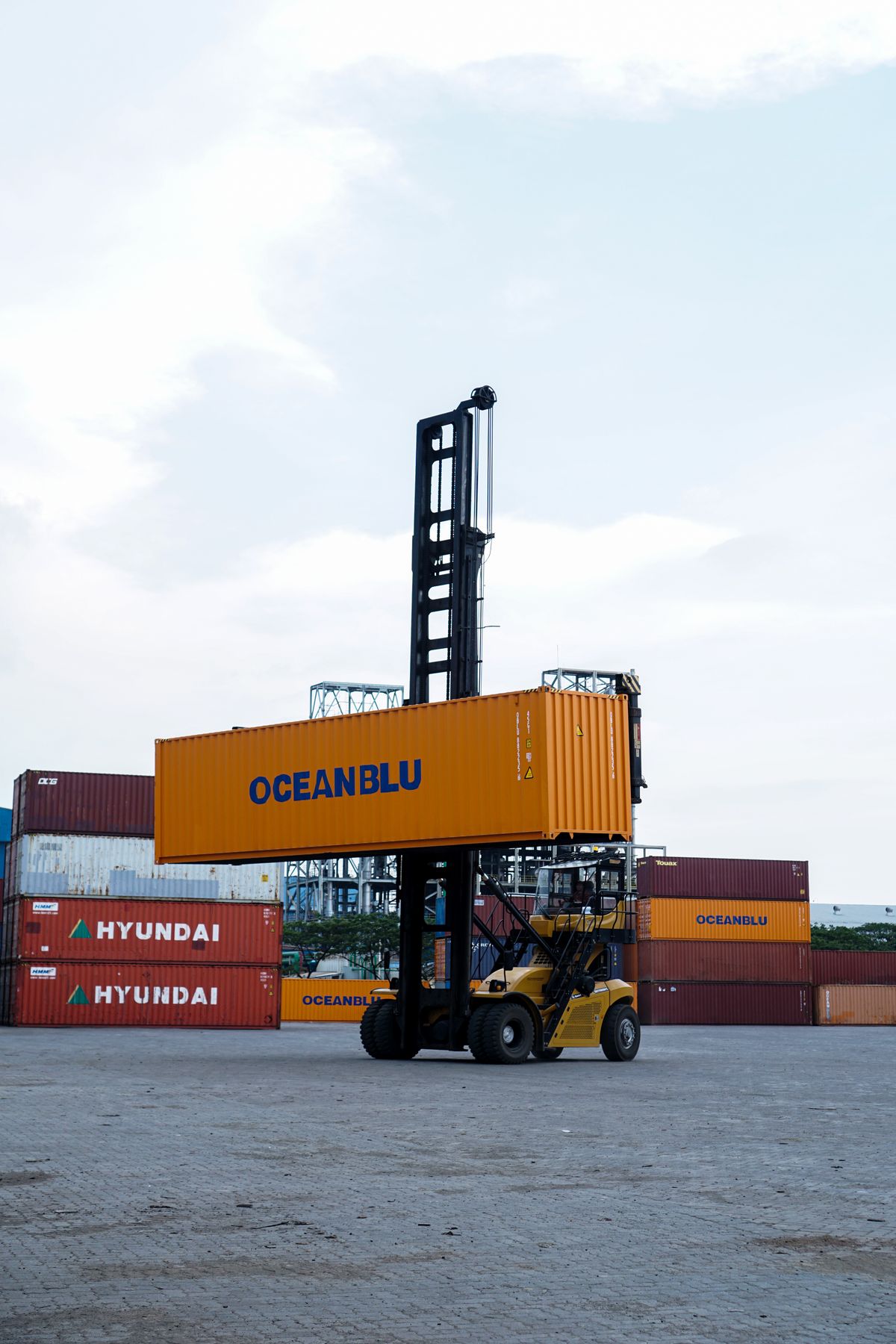
Transportation of dangerous goods is a special procedure that has specific regulations in each country. Businesses have a great demand for such cargo transportation, so it is important to know how such goods are transported. The dangerous goods category includes fuels and lubricants, gases, explosive materials, etc. And in each case, a specific transportation type is required.
A company that provides such services must obtain an appropriate license from the state regulator. Routecore holds hazmat authority for road and ocean transport — here is what compliant movement looks like from the shipper's side.
Step 1 — Classify Before Anything Moves
Every hazardous shipment starts with its UN number and packing group. That classification decides everything downstream: the packaging, the labels, which modes are legal and which tunnels, bridges and flights are forbidden. A safety data sheet (SDS) for the exact product is the mandatory starting document — without it, no certified carrier will load.
Step 2 — Certified Packaging and Marks
Hazmat packaging carries UN certification marks proving it survived drop, stack and pressure tests for that specific substance. Common shipper mistakes include reusing unmarked drums, mixing incompatible classes in one box and forgetting orientation arrows. Our managers review packaging photos before dispatch — most rejections are preventable at this stage.
Step 3 — Declarations and Placards
- Road: shipping papers with proper shipping name, hazard class and emergency contacts, plus placards when thresholds are exceeded.
- Ocean: IMO dangerous goods declaration, container packing certificate and stowage segregation from incompatible classes.
- Air: shipper's declaration for dangerous goods, with many substances restricted to cargo-aircraft-only or forbidden entirely.
Step 4 — A Carrier Licensed for the Class
Not every carrier may haul every class. We tender hazmat only to drivers and vessels endorsed for the specific UN numbers, and we confirm the receiving facility holds matching storage permits before the freight rolls — a load refused at delivery is the most expensive kind.
Moving fuels, gases, batteries or chemicals? Send the SDS through our quote form and our hazmat desk will return a compliant routing plan with certified packaging guidance.